
Here’s the uncomfortable truth nobody wants to admit: your perfectly optimized ads are incredibly boring.
While you’re A/B testing button colors and obsessing over conversion rates, your competition is making people laugh their way to the bank.
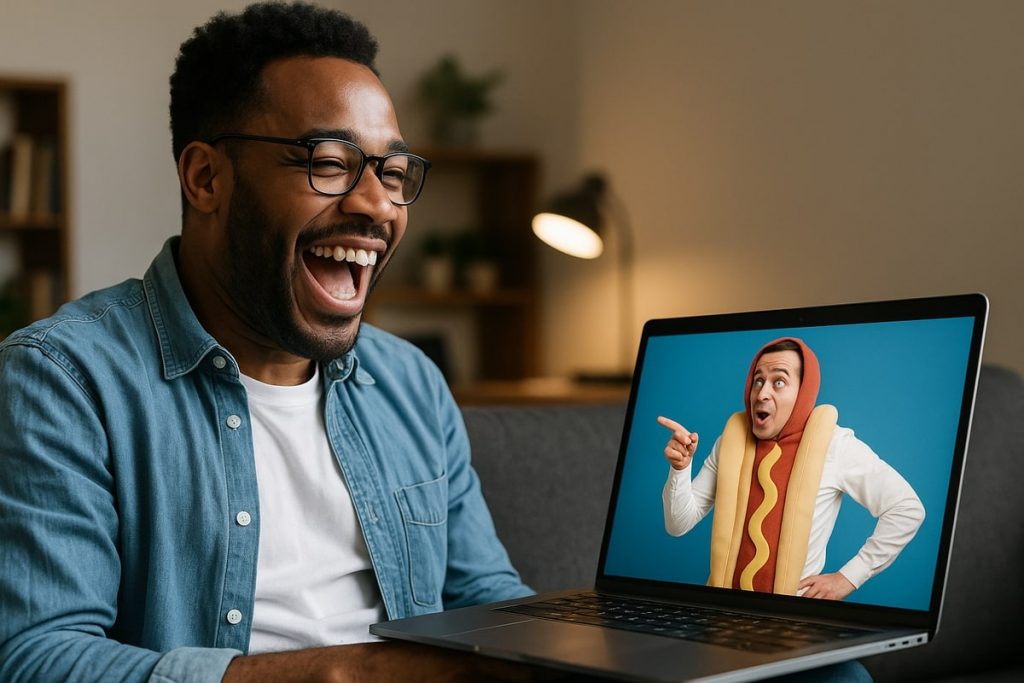
Because here’s what every marketing department seems to forget… nobody shares ads that don’t make them laugh.
Think about it.
When’s the last time you shared a product demo? When’s the last time you sent a friend a clean, corporate ad with perfect lighting and an urgent call-to-action?
Never.
But that memorable TikTok ad that made you genuinely laugh? The one that was clearly selling something but made you forget you were watching an ad?
You shared that immediately.
That’s not an accident.
That’s creative advertising working exactly how it should.
The Viral Truth: What Actually Makes People Stop Scrolling
Let’s talk about what goes viral on social platforms.
It’s not the perfectly optimized direct response creative with the clean product shots and the urgent CTA.
It’s the engaging content that makes you stop scrolling and send it to your friends.
The stuff that makes you think, “This is actually brilliant.”
But here’s where brands get it completely backward. They think entertainment and performance are opposites.
Like you either make people laugh or you make them buy.
It’s the most counterproductive false choice in marketing.
The brands absolutely crushing it on TikTok and Instagram aren’t choosing between funny and effective. They’re making funny content that’s also effective.
Because entertainment creates an emotional connection. Connection drives sharing. Sharing drives reach. Reach drives performance.
It’s not complicated math.
But somehow, marketing teams still act like humor is the enemy of conversion rates.
They’ll spend millions on “performance creative” that performs about as well as a corporate training video at a comedy show.
Meanwhile, their competitors are getting free distribution because they made people laugh.
The Connection Formula: Entertainment → Emotion → Action
Here’s the thing about human psychology that most marketers completely ignore:
People don’t share content because it’s well-optimized.
They share content because it makes them look good for sharing it.
Nobody wants to be the person forwarding boring product demos to their friends.
But they’ll absolutely share something that makes their friends laugh, even if it’s clearly an ad.
Because when someone shares your ad, they’re not just giving you free distribution.
They’re giving you their personal endorsement.
Their credibility is now attached to your message.
That’s social proof you can’t buy.
Think about how powerful that is for a second.
Instead of you trying to convince someone to trust your brand, their friend is essentially saying, “Hey, this is worth your time. This is funny. This brand gets it.”
That’s worth more than any testimonial or five-star review.
But they’ll only do it if your creative advertising makes them look smart, funny, or in-the-know for sharing it.
The moment your ad feels like work to consume, sharing stops.
The moment it feels like entertainment that happens to sell something, sharing explodes.
The Double-Duty Strategy: Making Ads That Convert AND Spread
This is where most brands completely lose the plot.
They think viral advertising means sacrificing conversions for reach.
Like you can either drive sales or get shares, but not both.
That’s backwards thinking.
The best performing ads aren’t just performance ads.
They’re comedy that sells.
- Look at what Dollar Shave Club did. Their launch video was hilarious. It was also the most effective direct response ad of the decade.
- Ryan Reynolds doesn’t choose between funny and effective with Aviation Gin. He makes funny content that moves products.
- Old Spice turned body wash commercials into absurd comedy gold and dominated the market.
- Wendy’s transformed Twitter roasts into brand loyalty and drove massive sales growth.
These aren’t accidents.
These are brands that figured out the secret: your “performance” creative should be working double duty.
Driving conversions AND creating moments people want to share.
When you nail that combination, you’re not just buying reach. You’re earning it.
And earned reach converts better than paid reach every single time.
Because it comes with built-in credibility.
The Psychology Behind Shareable Creative Advertising
Here’s what most marketers miss about viral advertising:
Sharing is fundamentally a social signal.
When someone shares your ad, they’re not just passing along information. They’re curating their personal brand.
They’re saying, “This represents my sense of humor. This is the kind of content I want to be associated with.”
That’s why people share funny ads but ignore informational ones.
Humor makes them look entertaining. Product demos make them look like they’re spamming their friends.
The brands that understand this psychology are building audiences that actually want to see their ads.
Their customers become their distribution network.
Their creative advertising becomes their growth engine.
Because when you make content that people are proud to share, you’re not fighting the algorithm, you’re feeding it exactly what it wants.
Engagement. Comments. Shares.
All the signals that tell platforms, “This is worth showing to more people.”
The ripple effect is remarkable: one genuinely funny ad can generate more organic reach than months of traditional advertising spend.
The Social Proof Multiplier: When Customers Become Marketers
Here’s the beautiful thing about viral advertising:
When someone shares your ad, they’re doing your marketing for you.
Free distribution.
Built-in social proof.
Their personal endorsement attached to your message.
But they’ll only share it if it makes them look good for sharing it.
Nobody shares a boring product demo.
But they’ll absolutely share something that makes their friends laugh, even if it’s clearly an ad.
It’s a simple formula: make people laugh, they share it, you get free reach.
And that free reach comes with something money can’t buy: authenticity.
When your friend shares an ad with you, it doesn’t feel like advertising. It feels like a recommendation.
That’s the difference between interruption marketing and invitation marketing.
Interruption marketing fights for attention. Invitation marketing gets invited in.
Guess which one performs better?
The math is simple but powerful:
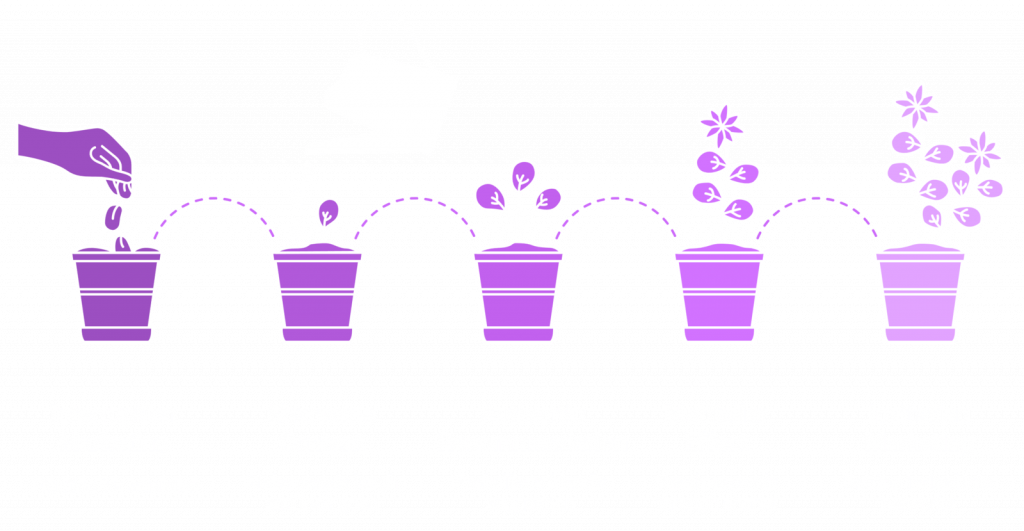
One person sees your ad and buys = one customer.
One person sees your ad, shares it, and three friends see it and buy = four customers for the price of one impression.
That’s the multiplier effect of creative advertising that people actually want to share.
Consider this: the average person has 338 friends on Facebook and 150 followers on Instagram.
When they share your content, you’re getting access to their entire network of people who already trust their judgment.
That’s not just reach.
That’s a warm reach.
The TikTok and Instagram Playbook: Lessons from Platform Domination
Want to know what separates the brands dominating social media from the ones getting ignored?
It’s not bigger budgets.
It’s not better products.
It’s understanding that these platforms reward entertainment, not optimization.
TikTok’s algorithm doesn’t care about your conversion rate.
It cares about engagement.
Instagram doesn’t prioritize perfect product shots.
It prioritizes content that keeps people scrolling.
The brands that figured this out early are now eating everyone else’s lunch.
They’re not trying to make their ads look less like ads. They’re making their ads more entertaining than the content around them.
That’s the real secret to viral advertising on social platforms.
You’re not competing with other ads. You’re competing with entertainment.
And if your creative advertising can’t hold its own against a funny meme or a viral dance, it’s going to get scrolled past.
But when you make content that’s genuinely entertaining while also selling something?
That’s when the algorithm starts working for you instead of against you.
Take Duolingo’s TikTok strategy. Their owl mascot went from educational tool to internet sensation by being genuinely funny and slightly unhinged.
Result?
Millions of organic views and a massive spike in app downloads.
Or look at how Ryanair uses Twitter. They roast customers, competitors, and themselves with surgical precision.
Their customer service complaints became comedy gold and customer loyalty skyrocketed.
Liquid Death turned selling water into punk rock comedy. They’re now worth over $700 million.
These brands didn’t choose between being funny and being profitable.
They chose both.
The Creative Advertising Metrics That Actually Matter
Here’s where most marketing teams get it wrong:
They’re measuring the wrong things.
Click-through rates and immediate conversions are important, but they’re not the whole story.
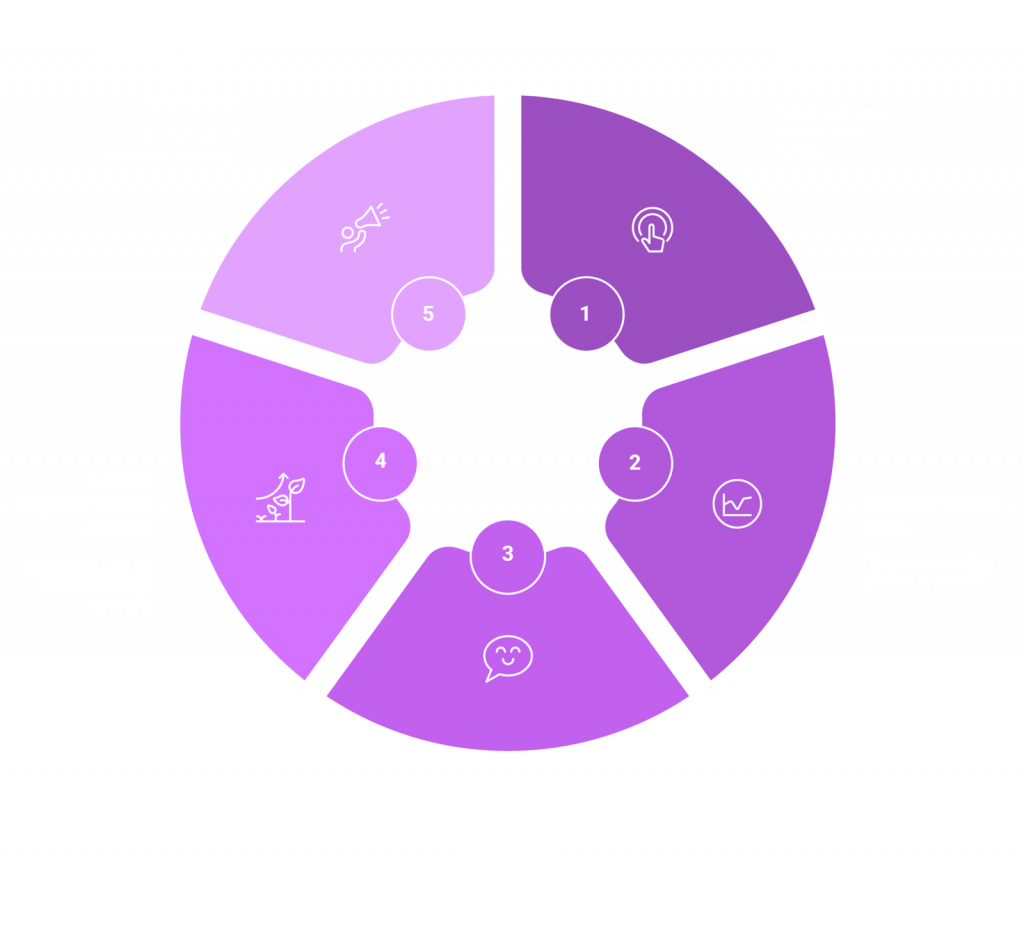
When you’re creating viral advertising, you need to track:
- Engagement rate – Are people actually interacting with your content?
- Share rate – Are people spreading your message for you?
- Comment sentiment – Are people talking about your brand positively?
- Organic reach growth – How far is your content traveling without paid promotion?
- Brand mention increases – Are people talking about you more after seeing your content?
These metrics tell you if your creative advertising is working as intended.
Because a funny ad that gets shared 10,000 times might generate more long-term value than a boring ad that gets 1,000 clicks.
The shared ad builds brand awareness, creates positive associations, and generates social proof.
The boring ad just generates immediate traffic.
Guess which one builds a sustainable business?
Making It Happen: Your Action Plan for Comedy-Driven Creative
So how do you actually implement this?
How do you make the shift from boring performance creative to viral advertising that actually performs?
Step 1: Study What’s Actually Working
Spend time on TikTok and Instagram. Not as a marketer, but as a consumer.
- What makes you stop scrolling?
- What makes you laugh?
- What makes you want to share something?
Then ask yourself: how can we make our creative advertising do that?
Step 2: Start Small and Test
Don’t overhaul your entire creative strategy overnight.
Test one piece of content that prioritizes entertainment over perfection.
Measure not just conversions, but engagement.
Comments. Shares. Saves.
Step 3: Find Your Brand’s Comedy Voice
Every brand can be funny in its own way.
Wendy’s is sarcastic. Dollar Shave Club is irreverent. Old Spice is absurd.
What’s your brand’s natural comedy style?
Step 4: Make Entertainment Your Default
Instead of asking, “How do we make this more optimized?” ask, “How do we make this more shareable?”
The optimization will follow the entertainment.
Step 5: Measure the Right Metrics
Track engagement rates, share rates, and organic reach growth alongside traditional conversion metrics.
Because those metrics are leading indicators of the performance you actually want.
Remember: the goal isn’t to make ads that look like entertainment.
It’s to make entertainment that happens to sell something.
There’s a crucial difference.
The Bottom Line: Comedy Isn’t Optional Anymore
Here’s the reality check every marketing team needs to hear:
Your competition isn’t just other brands anymore. It’s every piece of content competing for attention.
And attention goes to what’s entertaining.
The brands that understand this are building audiences that actually want to see their ads.
Their customers become their distribution network.
Their creative advertising becomes their growth engine.
The brands that don’t? They’re paying premium prices for declining reach while their competitors get free distribution through shares.
The future belongs to brands that can make people laugh while making them buy.
Because in a world where everyone’s fighting for attention, the brands that can earn it through entertainment will always win – a reality every social media marketing agency understands all too well.
Your creative advertising should be working double duty: driving conversions AND creating moments people want to share.
When you nail that combination, you’re not just buying reach. You’re earning it.
And earned reach is always more valuable than paid reach.
Because it comes with something money can’t buy: authenticity.
The question isn’t whether you should make your ads more entertaining.
The question is whether you can afford not to.
